

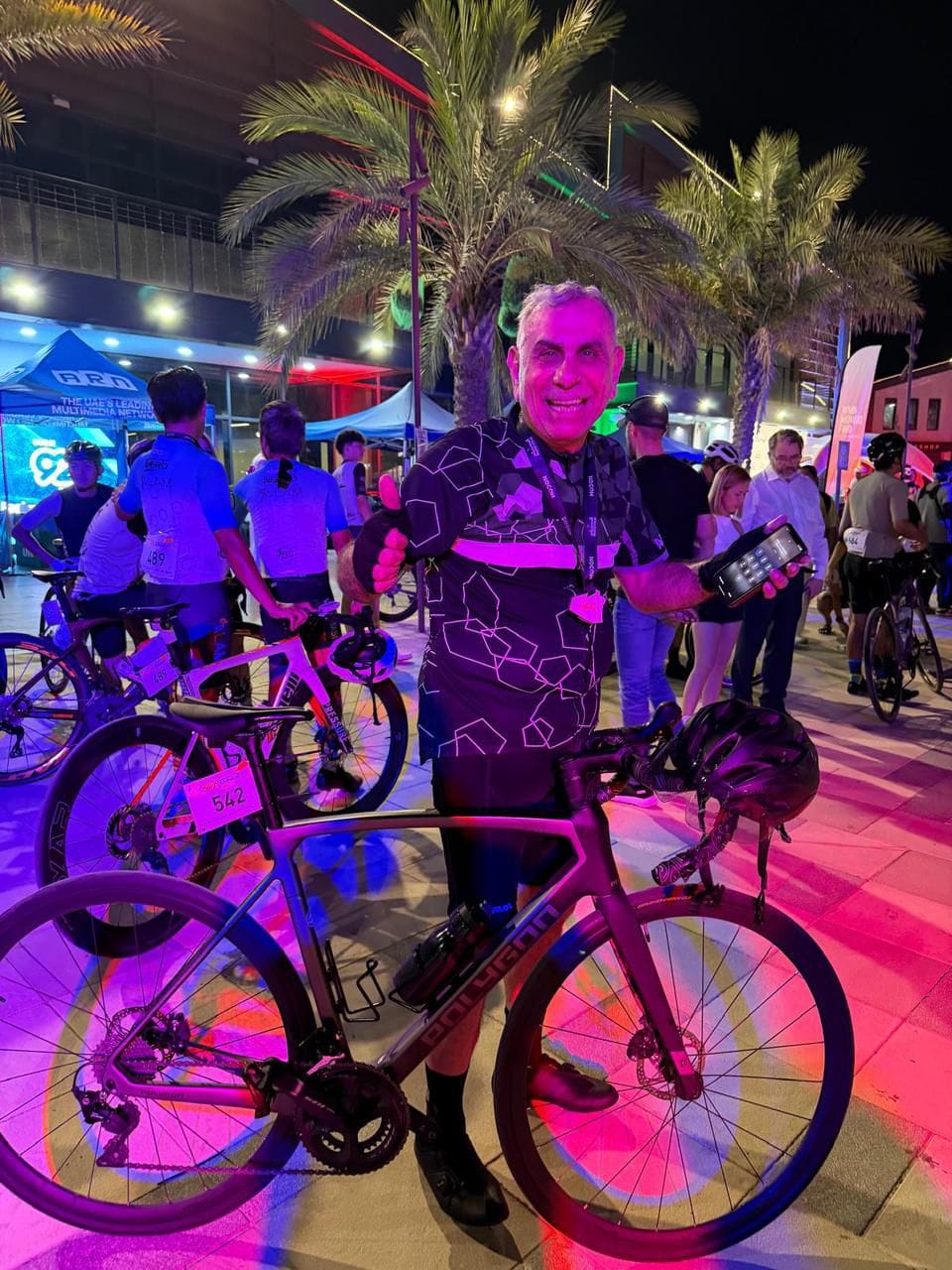
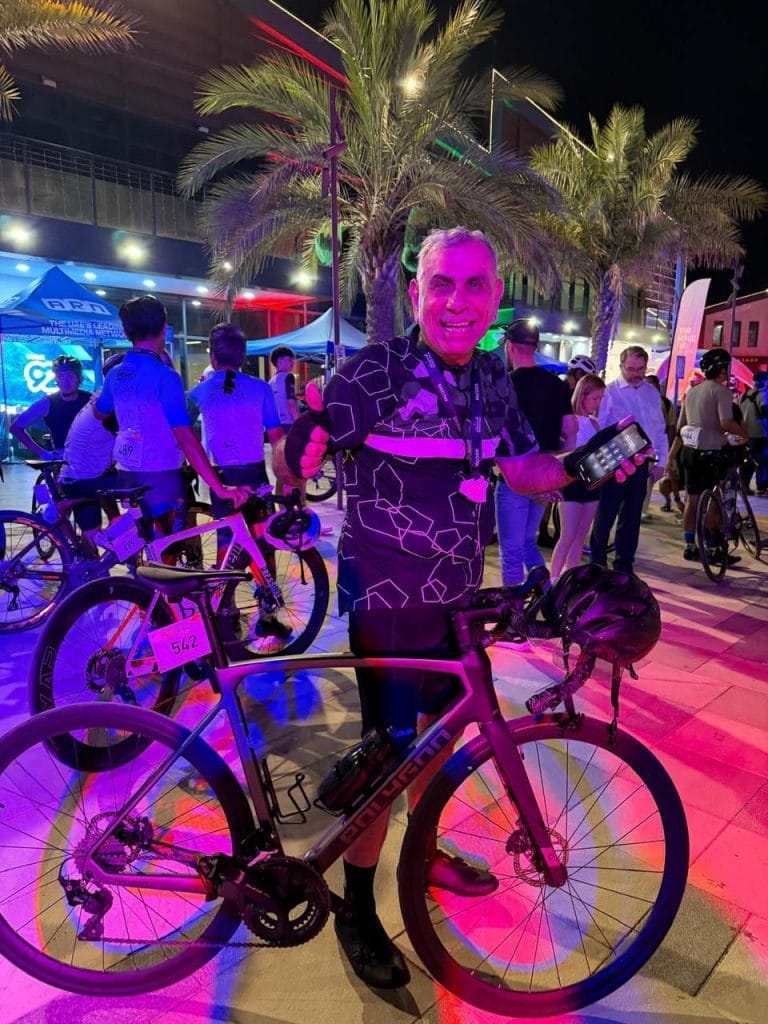
Cycling is more than just a way to get from one place to another. For millions of people around the world, it represents freedom, fitness, adventure, community, and even therapy. Whether you ride casually around your neighborhood, commute daily to work, or train intensely for long-distance races, cycling has the power to transform both body and mind.
From mountain trails and city streets to scenic coastal roads and competitive racing circuits, cycling continues to grow as one of the most popular activities globally. It is accessible, environmentally friendly, cost-effective, and suitable for people of nearly all ages and fitness levels.
In this comprehensive guide, we’ll explore the world of cycling in depth — including its history, benefits, equipment, training methods, safety tips, nutrition, mental health advantages, cycling culture, and much more.
The History of Cycling
The bicycle has evolved tremendously over the last two centuries. Early versions of bicycles appeared in the early 1800s and were quite different from the lightweight, aerodynamic machines we see today.
The first known bicycle-like invention was the “Draisine,” created by German inventor Karl von Drais in 1817. It had no pedals and required riders to push themselves forward using their feet. Over time, pedals, chains, gears, and pneumatic tires were introduced, dramatically improving comfort and efficiency.
By the late 19th century, bicycles became widely popular. They gave people unprecedented mobility and independence, especially in urban environments. Cycling clubs began forming across Europe and North America, and competitive racing events quickly followed.
Today, modern bicycles use advanced materials such as carbon fiber, titanium, and lightweight aluminum. Technology has transformed cycling into both a recreational pastime and a high-performance sport.
Why Cycling Is One of the Best Activities for Your Health
Cycling offers an extraordinary number of physical and mental health benefits. Unlike high-impact sports, cycling is gentle on the joints while still providing an excellent cardiovascular workout.
1. Improves Cardiovascular Health
Cycling strengthens the heart, lungs, and blood vessels. Regular riding improves circulation and reduces the risk of heart disease, stroke, and high blood pressure.
Even moderate cycling several times a week can significantly improve endurance and cardiovascular efficiency.
2. Helps With Weight Loss
Cycling burns a substantial number of calories. Depending on intensity, a person can burn between 400 and 1000 calories per hour while riding.
Combined with proper nutrition, cycling can help maintain a healthy body composition and improve metabolism.
3. Builds Muscle Strength
Cycling primarily targets the legs, including:
- Quadriceps
- Hamstrings
- Calves
- Glutes
However, it also engages the core, lower back, and stabilizing muscles.
Climbing hills and sprinting especially help build lower-body strength and endurance.
4. Low-Impact Exercise
Unlike running, cycling places minimal stress on knees and joints. This makes it ideal for:
- Older adults
- People recovering from injuries
- Individuals with joint pain
- Beginners starting a fitness journey
5. Boosts Mental Health
Cycling reduces stress, anxiety, and depression. Riding outdoors exposes you to sunlight, fresh air, and natural scenery, all of which positively affect mental well-being.
Many cyclists describe riding as a form of meditation. The rhythmic movement and focus required during cycling can help clear the mind and improve mood.
Different Types of Cycling
Cycling is incredibly diverse. There are many disciplines and styles depending on personal interests and terrain.
Road Cycling
Road cycling involves riding on paved roads using lightweight bicycles designed for speed and efficiency.
Popular among fitness enthusiasts and competitive racers, road cycling emphasizes endurance, climbing ability, and aerodynamics.
Road cyclists often participate in:
- Group rides
- Long-distance tours
- Time trials
- Races
Mountain Biking
Mountain biking takes riders off-road onto trails, forests, hills, and rugged terrain.
Mountain bikes have:
- Wide tires
- Suspension systems
- Strong frames
- Aggressive traction
This discipline requires balance, technical skill, and quick reactions.
Gravel Cycling
Gravel cycling combines aspects of road cycling and mountain biking. Riders travel on dirt roads, gravel paths, and mixed surfaces.
Gravel riding has exploded in popularity because it offers adventure without the heavy technical difficulty of mountain biking.
BMX
BMX cycling focuses on tricks, jumps, and racing on specially designed tracks.
It is highly dynamic and popular among younger riders and freestyle athletes.
Commuter Cycling
Many people use bicycles as their daily mode of transportation.
Benefits include:
- Saving money on fuel
- Avoiding traffic
- Reducing pollution
- Improving daily fitness
Cities worldwide are investing heavily in cycling infrastructure to encourage commuting by bike.
Touring and Bikepacking
Touring cyclists travel long distances carrying gear, supplies, and camping equipment.
Bikepacking combines cycling and outdoor adventure, allowing riders to explore remote regions over several days or weeks.
Choosing the Right Bicycle
Selecting the right bicycle depends on your goals, terrain, and riding style.
Road Bikes
Best for:
- Speed
- Fitness
- Long paved rides
Features:
- Thin tires
- Lightweight frames
- Drop handlebars
Mountain Bikes
Best for:
- Trails
- Rough terrain
- Technical riding
Features:
- Suspension
- Wide tires
- Strong frames
Hybrid Bikes
Best for:
- Beginners
- Casual riders
- City riding
Features:
- Comfortable geometry
- Versatility
- Upright riding position
Gravel Bikes
Best for:
- Mixed terrain
- Adventure riding
- Long exploration rides
Features:
- Wider tire clearance
- Stable handling
- Endurance-focused design
Electric Bikes (E-Bikes)
E-bikes use battery-powered assistance to make pedaling easier.
They are excellent for:
- Longer commutes
- Older riders
- Hilly areas
- Reducing fatigue
The popularity of e-bikes has surged globally in recent years.
Essential Cycling Gear
Having the proper gear improves comfort, safety, and performance.
Helmet
A quality helmet is absolutely essential. It can significantly reduce the risk of serious head injuries.
Never ride without one.
Cycling Shorts
Padded cycling shorts improve comfort during long rides and help prevent saddle soreness.
Gloves
Cycling gloves:
- Reduce hand fatigue
- Improve grip
- Protect during falls
Cycling Shoes
Clip-in cycling shoes improve pedaling efficiency and power transfer.
Lights
Front and rear lights are critical for visibility, especially during early morning or nighttime rides.
Water Bottles and Hydration
Staying hydrated is vital, particularly in hot weather or during long rides.
Cycling Nutrition and Hydration
Nutrition plays a major role in cycling performance and recovery.
Before a Ride
Consume carbohydrates for energy:
- Oatmeal
- Bananas
- Rice
- Whole-grain bread
Avoid heavy, greasy foods before intense rides.
During a Ride
For rides over 90 minutes:
- Drink electrolytes
- Consume energy bars or gels
- Eat easily digestible carbohydrates
After a Ride
Recovery meals should include:
- Protein
- Carbohydrates
- Fluids
This helps repair muscles and replenish glycogen stores.
Cycling Safety Tips
Safety should always be a priority.
Follow Traffic Laws
Cyclists should obey road signs, traffic lights, and lane rules.
Stay Visible
Wear bright clothing and use reflective gear and lights.
Check Your Bike Regularly
Inspect:
- Tires
- Brakes
- Chain
- Gears
Routine maintenance prevents accidents and mechanical failures.
Ride Predictably
Avoid sudden movements and communicate with hand signals.
Be Aware of Your Surroundings
Stay alert for:
- Cars
- Pedestrians
- Road hazards
- Weather conditions
The Importance of Bike Maintenance
A well-maintained bike performs better and lasts longer.
Cleaning the Bike
Regular cleaning prevents dirt buildup and corrosion.
Lubricating the Chain
A properly lubricated chain improves shifting and efficiency.
Tire Pressure
Correct tire pressure:
- Improves comfort
- Reduces punctures
- Enhances speed
Brake Inspection
Reliable brakes are crucial for safety.
Replace worn brake pads promptly.
Cycling and the Environment
Cycling is one of the most sustainable forms of transportation.
Benefits include:
- Zero emissions
- Reduced traffic congestion
- Lower fuel consumption
- Less noise pollution
Cities promoting cycling often experience healthier populations and cleaner urban environments.
Many governments are now investing in:
- Bike lanes
- Cycling infrastructure
- Public bike-sharing systems
Cycling as a Competitive Sport
Cycling has produced some of the world’s most demanding endurance competitions.
Road Racing
Professional road racing includes famous events such as:
- The Tour de France
- Giro d’Italia
- Vuelta a España
These races test endurance, climbing ability, tactics, and mental resilience.
Track Cycling
Track cycling takes place in velodromes and involves high-speed racing on banked tracks.
Mountain Bike Racing
Mountain bike races challenge technical skill and off-road endurance.
Triathlon Cycling
Cycling is a major component of triathlon events alongside swimming and running.
The Mental Side of Cycling
Cycling develops mental toughness in unique ways.
Long rides teach:
- Patience
- Discipline
- Focus
- Resilience
Climbing difficult hills or enduring harsh weather builds confidence and determination.
Many cyclists also report experiencing a “flow state” during rides — a deeply focused mental condition associated with reduced stress and improved happiness.
Cycling Communities and Social Connection
Cycling often creates strong friendships and communities.
Group rides allow people to:
- Meet new friends
- Share experiences
- Learn skills
- Stay motivated
Cycling clubs exist in nearly every city worldwide and welcome riders of all skill levels.
The social aspect of cycling can be just as rewarding as the physical benefits.
Common Challenges Cyclists Face
Saddle Discomfort
New riders frequently experience soreness. Proper bike fit and quality shorts help tremendously.
Weather Conditions
Wind, rain, heat, and cold can make rides difficult. Proper clothing is essential.
Flat Tires
Punctures are inevitable. Every cyclist should learn how to repair a flat tire.
Motivation
Staying consistent can be challenging. Setting goals and joining group rides helps maintain enthusiasm.
Indoor Cycling and Smart Trainers
Technology has transformed indoor cycling.
Smart trainers and virtual platforms allow riders to:
- Train year-round
- Simulate real routes
- Join online races
- Track performance metrics
Indoor cycling became especially popular during periods when outdoor riding was limited.
Cycling for Beginners: How to Start
Starting cycling is simple.
Step 1: Get a Comfortable Bike
You do not need an expensive bicycle initially. Comfort and fit matter more.
Step 2: Start Slowly
Begin with short rides and gradually increase distance.
Step 3: Learn Basic Maintenance
Understanding tire repair and chain lubrication is extremely useful.
Step 4: Wear a Helmet
Safety first, always.
Step 5: Have Fun
Cycling should be enjoyable, not stressful.
The Future of Cycling
Cycling continues to evolve rapidly.
Future trends include:
- Smarter e-bikes
- Improved cycling infrastructure
- Sustainable transportation policies
- Advanced training technology
- Greater urban bike accessibility
As cities become more crowded and environmental concerns grow, bicycles will likely play an even larger role in transportation and recreation.
Final Thoughts
Cycling is one of the most rewarding activities a person can experience. It improves physical health, strengthens mental well-being, promotes sustainability, and creates unforgettable adventures.
Whether you ride for fitness, transportation, competition, exploration, or pure enjoyment, cycling offers something unique for everyone.
The beauty of cycling lies in its simplicity: two wheels, open roads, and endless possibilities.
So pump up your tires, put on your helmet, and start riding. The journey ahead may change your life in ways you never expected.